
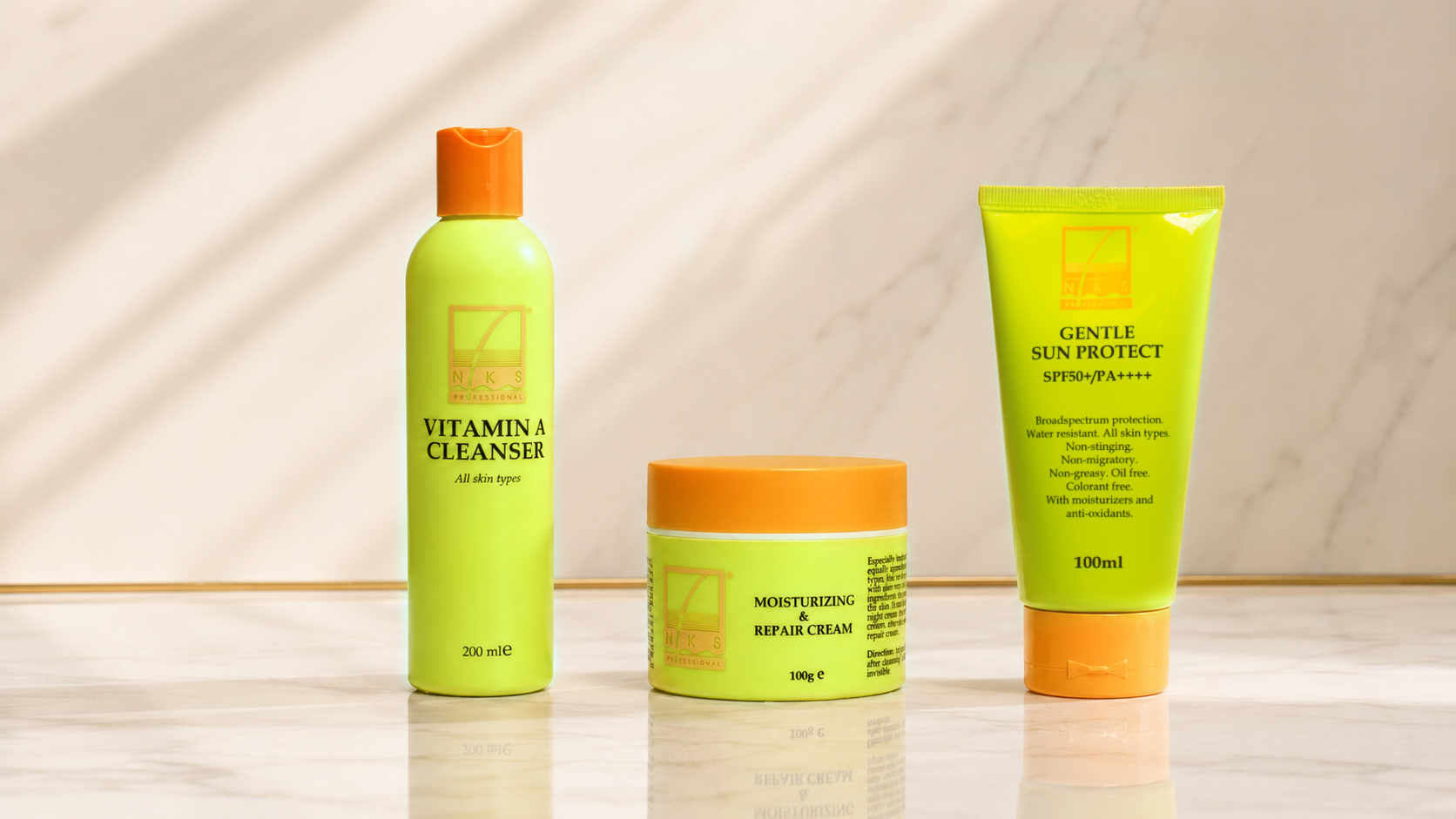
If you spend any time on social media, you’ve probably seen the term “skinimalism” — the idea that we’ve all been over-consuming skin care and that the answer is to strip our routines down to the bare minimum: a cleanser, a moisturizer, maybe a sunscreen, and nothing else.
I understand the appeal.
The 12-step routine era left a lot of people overwhelmed, over-exfoliated and poorer. A correction was probably overdue.
But I want to be upfront with my patients: I don’t subscribe to skinimalism as a rule to live by. Like most trends that go viral, it takes a reasonable idea — don’t buy things you don’t need — and flattens it into a one-size-fits-all prescription. Skin isn’t one-size-fits-all. Nor is the right number of products to put on it.
Quick Takeaways (TL;DR)
- Skinimalism is not a product limit. Fewer products can make sense, but only when the routine still covers what your skin actually needs.
- A simple baseline can be enough. For clear, well-functioning skin, cleanser, moisturizer and daily sunscreen are often a solid starting point.
- Active concerns need purpose, not a trend. Acne, pigmentation, rosacea, eczema and sun damage may need targeted ingredients or clinical care alongside the basics.
The problem with a trend telling you what your skin needs
The honest answer to “How many skin care products do I need?” is: It depends on your skin.
Someone blessed with clear and well-functioning skin may do very well on three products. Someone managing active acne, melasma, rosacea or early signs of sun damage may need considerably more, not because they’ve been taken for a ride by marketeers, but because those conditions respond to specific active ingredients that a minimalist routine simply doesn’t include.
Skinimalism, taken too literally, can actually work against patients in two ways:
- It can undertreat real conditions. Telling a patient with cystic acne or significant hyperpigmentation to “just cleanse and moisturize” leaves treatable problems untreated.
- It can be used to justify skipping the fundamentals, like sunscreen or a proper cleanse, in the name of simplicity, when those are actually the two things almost nobody should skip.
So rather than take a stance for or against a number of products, our approach is to start with your skin’s actual condition and build a routine around that. Sometimes it’s minimal, sometimes it isn’t.
The core routine, if your skin has no major concerns
If you don’t have an active skin condition — no significant acne, no diagnosed pigmentation disorder, no eczema or rosacea — a genuinely solid baseline routine looks like this:
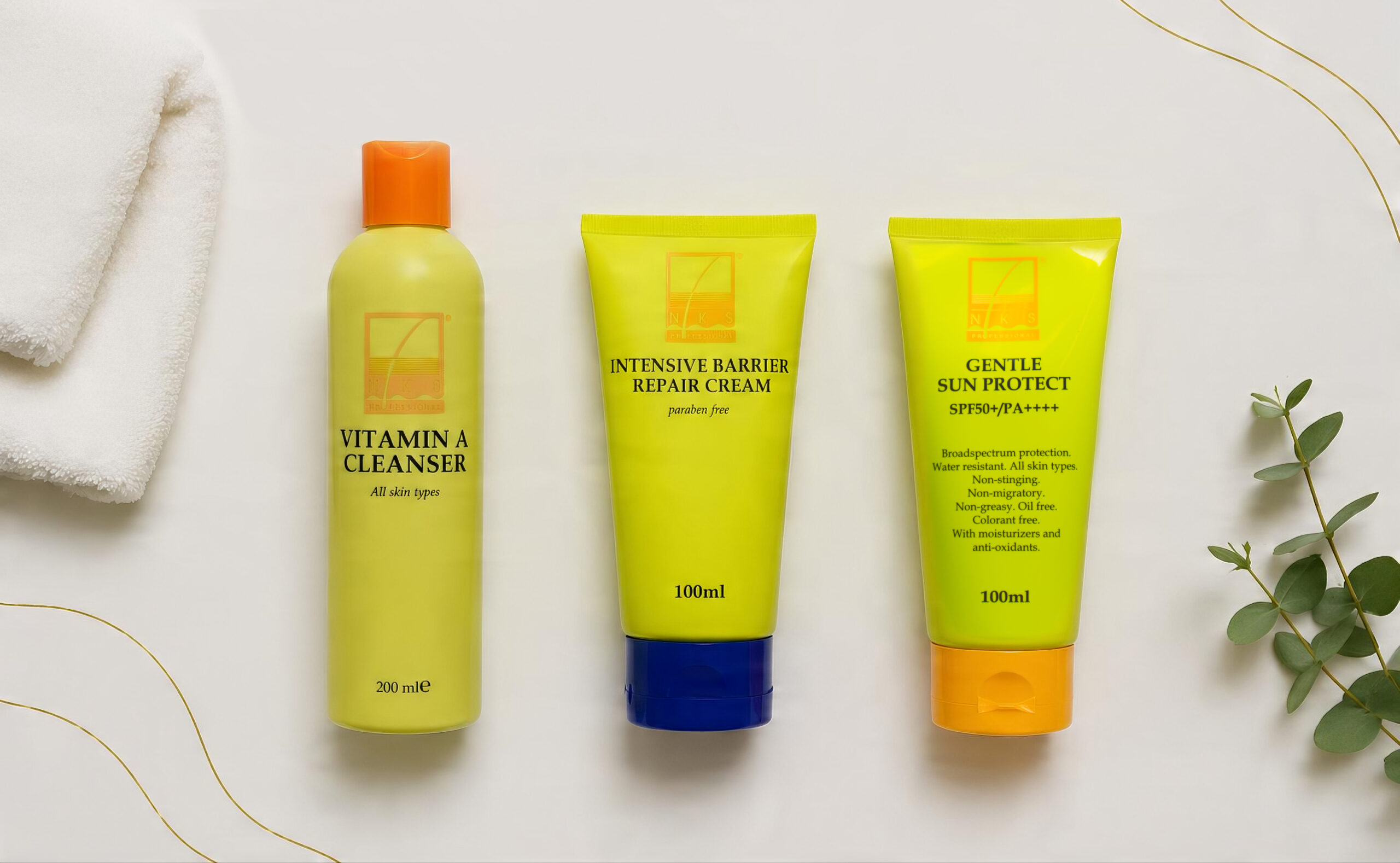
- A cleanser, morning and night, appropriate for your skin type. Our Niks range has an unusually large collection of cleansers tailored to skin types.
- A moisturizer appropriate for your skin type, applied after cleansing.
- A broad-spectrum sunscreen, SPF 50+ for UVB and PA+++ or more for UVA, every single morning — the single most protective step in any routine.
- Optionally, an antioxidant serum in the morning that can support the skin’s defence against environmental and UV-related damage over time.
Niks product features for a baseline routine
For dry, normal or sensitive skin, Ultrafine Soothing Cleanser is a cleansing lotion option to discuss. Marine Facial Cleanser is a gentle non-soap cleanser for all skin types.
For moisturising support, Moisturizing & Repair Cream and Intensive Barrier Repair Cream are two Niks cream options with different textures and uses. The best fit still depends on your skin’s current condition and what it can tolerate.
For daily sun protection, the range includes Gentle Sun Protect SPF 50+/PA++++ and BB Sun Protect SPF 50+/PA+++ in Natural or Pink. Choose a texture and finish you will actually use.
Ready to Build a Smarter Routine?
We are here to help you choose the right skincare or clinical pathway before you add more products. Chat with us on WhatsApp if you want help deciding which products should stay, stop or be added next.
What changes when there’s an active skin issue
Where things get more involved is when a patient has a diagnosed skin concern. In these cases, additional products aren’t indulgent extras. They’re targeted treatments, often the same ones we’d otherwise prescribe or recommend as part of a treatment plan. Some common examples:
- Acne-prone skin: a salicylic acid cleanser or leave-on treatment or a topical retinoid.
- Hyperpigmentation or melasma: ingredients such as azelaic acid, tranexamic acid, niacinamide or a prescription-strength lightening agent, layered under strict daily sunscreen use.
- Visible aging or fine lines: a retinoid to support collagen turnover, alongside peptide-containing serums.
- Rosacea: topical antibiotics and other anti-inflammatory creams such as azelaic acid.
- Very dry skin or eczema-prone skin: richer occlusive moisturizers, ceramide-based creams and sometimes a prescription topical to manage flares.
- Post-acne scarring or textural concerns: exfoliating acids (AHA/BHA) used carefully, alongside in-clinic treatments where appropriate.
None of these is extra for the sake of extra. Each addresses a specific, identifiable issue, and each is added deliberately, not because a trend says more or less is virtuous, but because it’s what the skin actually needs.
That famous Niks multi-step routine
Because we treat mostly patients with problem skin, the skin care regimens we prescribe are rarely “Skinimalist”. Moreover, we generally eschew “all-in-one” skin care products with myriad active ingredients going in all directions in favour of few and well-defined ingredients targeted at specific skin conditions. So the regimens we prescribe for problem skin tend to consist of more, single-purpose products. We print out the steps in a regimen for our patients to aid in compliance, which can also be found in the patient’s record in their MyNiks app.
Need Help Choosing The Right Products?
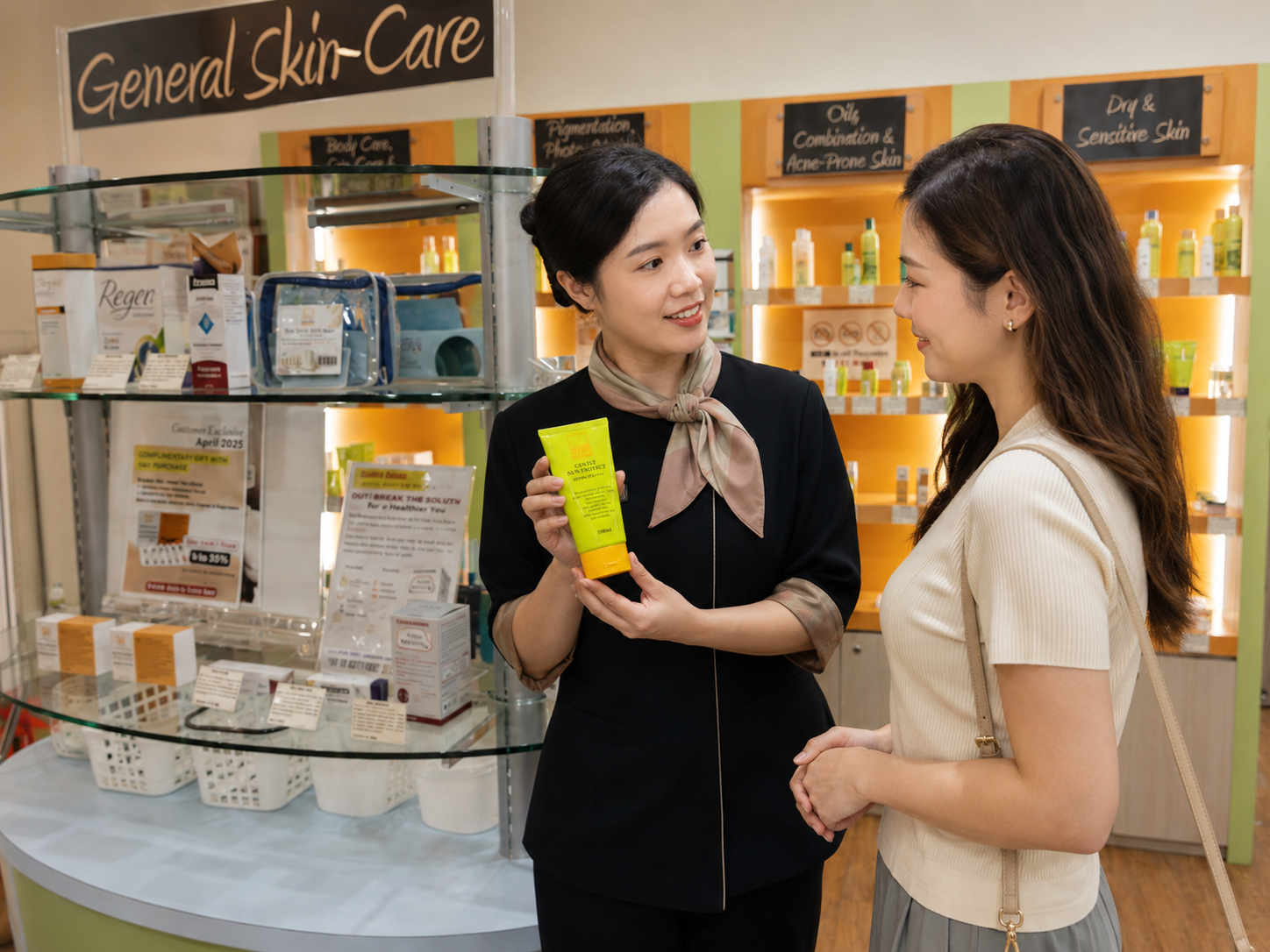
Niks Shop Salons carry a wide range because different concerns need different support. A minimalist routine for sensitive skin, acne-prone skin, pigmentation-prone skin and post-treatment skin will not look identical. Chat with us before changing too many products at once.
Your regimen is unique to you
Don’t build your routine around a hashtag, in either direction. Don’t assume you need ten products because an influencer’s shelf looks impressive. Don’t assume three products are automatically enough because a trend says simplicity is the goal. Your skin’s history, its current condition and any diagnoses you have should determine your regimen, not a philosophy.
If you’re not sure where your skin actually falls on that spectrum, that’s exactly what a consultation is for. We’re happy to look at what you’re using now, tell you honestly what you can drop and tell you just as honestly what you might be missing.
Get Product Guidance Before You Add More
Keep your routine simple, but do not make it underpowered. If your skin has a specific concern, the right product can have a clear role. The aim is a routine where every cleanser, moisturizer, sunscreen, serum, mask, ampoule or treatment product earns its place.
FAQ
Does skinimalism mean I should only use three products?
No. A three-product routine may be enough for clear, well-functioning skin, but it is not a universal limit. Targeted products can be appropriate when your skin has a specific, identifiable concern.
Why might a minimalist routine not be enough for acne or pigmentation?
Acne, melasma and hyperpigmentation can respond to particular active ingredients or a clinical treatment plan. Removing everything beyond cleanser and moisturizer may leave the underlying concern untreated.
Can I skip sunscreen to keep my routine simple?
No. A proper cleanse and daily sunscreen are the two steps almost nobody should skip. Simplicity should remove products you do not need, not the essentials that protect your skin.
How should I add a new treatment product?
Add it deliberately because it addresses a specific concern. Introduce one new product at a time so you can tell whether it suits your skin or causes irritation.
When should I seek a consultation?
Consider a consultation if you are not sure what your skin needs, if products are overlapping or irritating, or if acne, pigmentation, rosacea, eczema or another concern is not settling.

Dr. Nathaniel Lum
B ENG (HONS) (NTU), MD (DUKE-NUS)
Dr Nathaniel Lum is a medical doctor with a focused interest in general practice dermatology and aesthetic treatments. He graduated with a Doctor of Medicine from Duke-NUS Medical School in 2020, after completing his Bachelor of Engineering with Honours at Nanyang Technological University. Dr Lum has clinical experience across various medical and surgical specialties within SingHealth institutions, including orthopaedic surgery, general medicine, general surgery, and post-acute care. He has also obtained multiple Certificates of Competence in aesthetic dermatology, including chemical peels, botulinum toxin, dermal fillers, pigment lasers, IPL, and laser resurfacing. Known for his warm and empathetic approach, Dr Lum emphasises patient education and personalised treatment plans, providing safe and evidence-based care for medical dermatology and aesthetic rejuvenation.

