
Acne & Acne Scar Treatment in Singapore
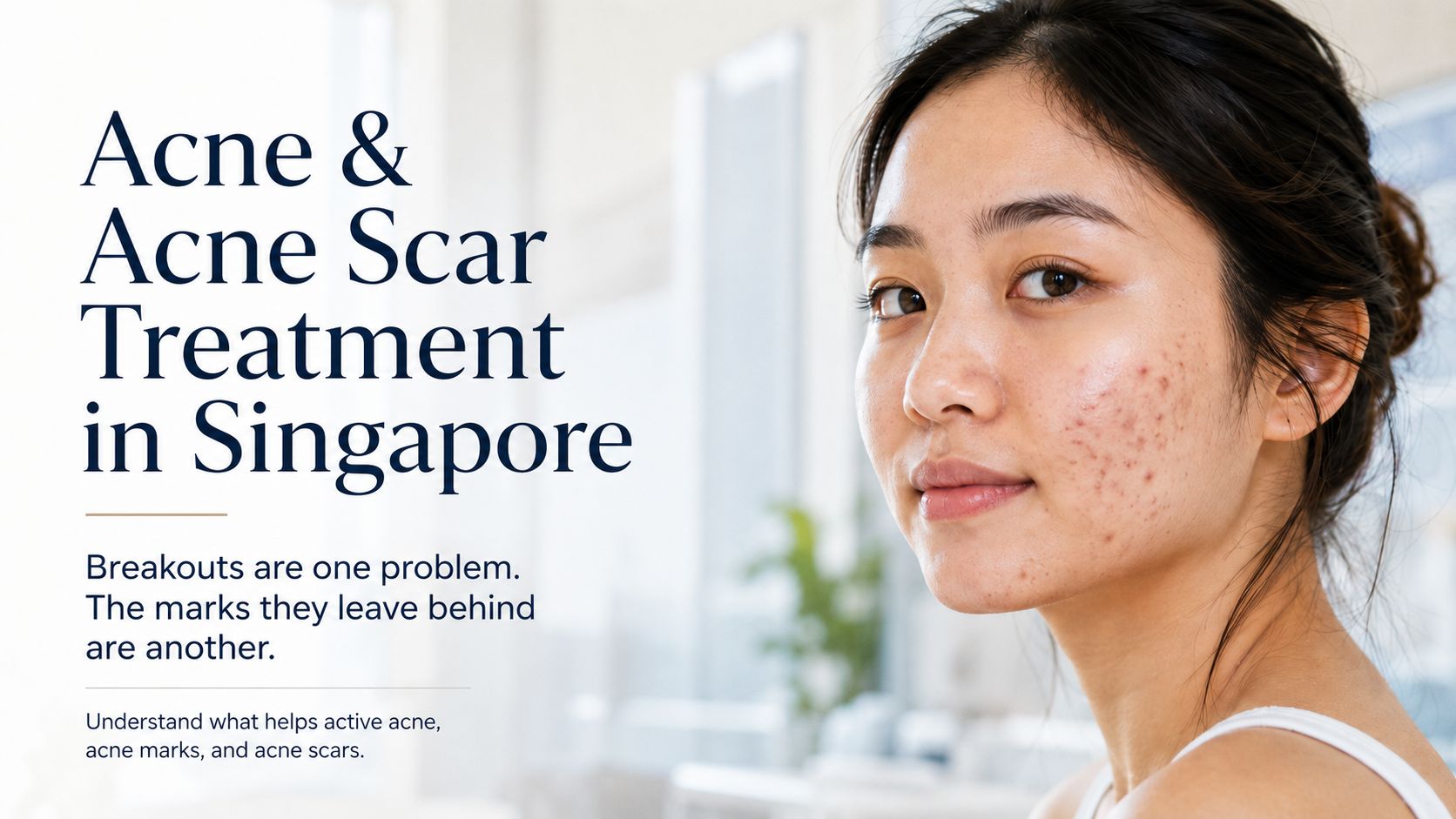
For patients looking for acne treatment in Singapore, acne is not just a cosmetic concern. Active acne, recurring breakouts, clogged pores, red or brown marks, and acne scars often need different approaches. This Acne Hub helps you understand the common acne patterns, when to seek medical advice, and how Niks Maple Clinics can support acne-prone skin in Singapore through doctor consultation, clinic treatment planning, and skincare guidance.
The information here is educational and does not replace a doctor’s assessment, especially if acne is painful, worsening, scarring, or not improving with over-the-counter skincare.
What This Acne Hub Covers
This page is designed as the main acne resource hub for Niks. It gives a clear overview of active acne, acne-prone skin, acne marks, and acne scars, then links users to more specific pages and articles as those standalone resources are built.
- Active acne and recurring breakouts.
- Clogged pores, blackheads, and whiteheads.
- Inflamed pimples, painful acne, and cystic acne patterns.
- Post-acne red marks, brown marks, and pitted scars.
- Clinic-based treatment options and home skincare support.
Types Of Acne
Different acne presentations may need different treatment strategies. A simple product routine may help mild clogged pores, while inflamed, painful, recurrent, or scarring acne usually needs a more structured assessment.
- Whiteheads and blackheads: clogged pores, often called comedonal acne.
- Papules and pustules: red or pus-filled inflamed spots.
- Nodules and cystic acne: deeper, painful and inflamed bumps with higher scarring risk.
- Adult acne: recurring acne in adulthood, sometimes with jawline or hormonal patterns.
- Teen acne: common during puberty and important to manage early if scarring begins.
- Infected acne: caused by common skin fungal or bacteria infection.
Acne Treatment Options At Niks
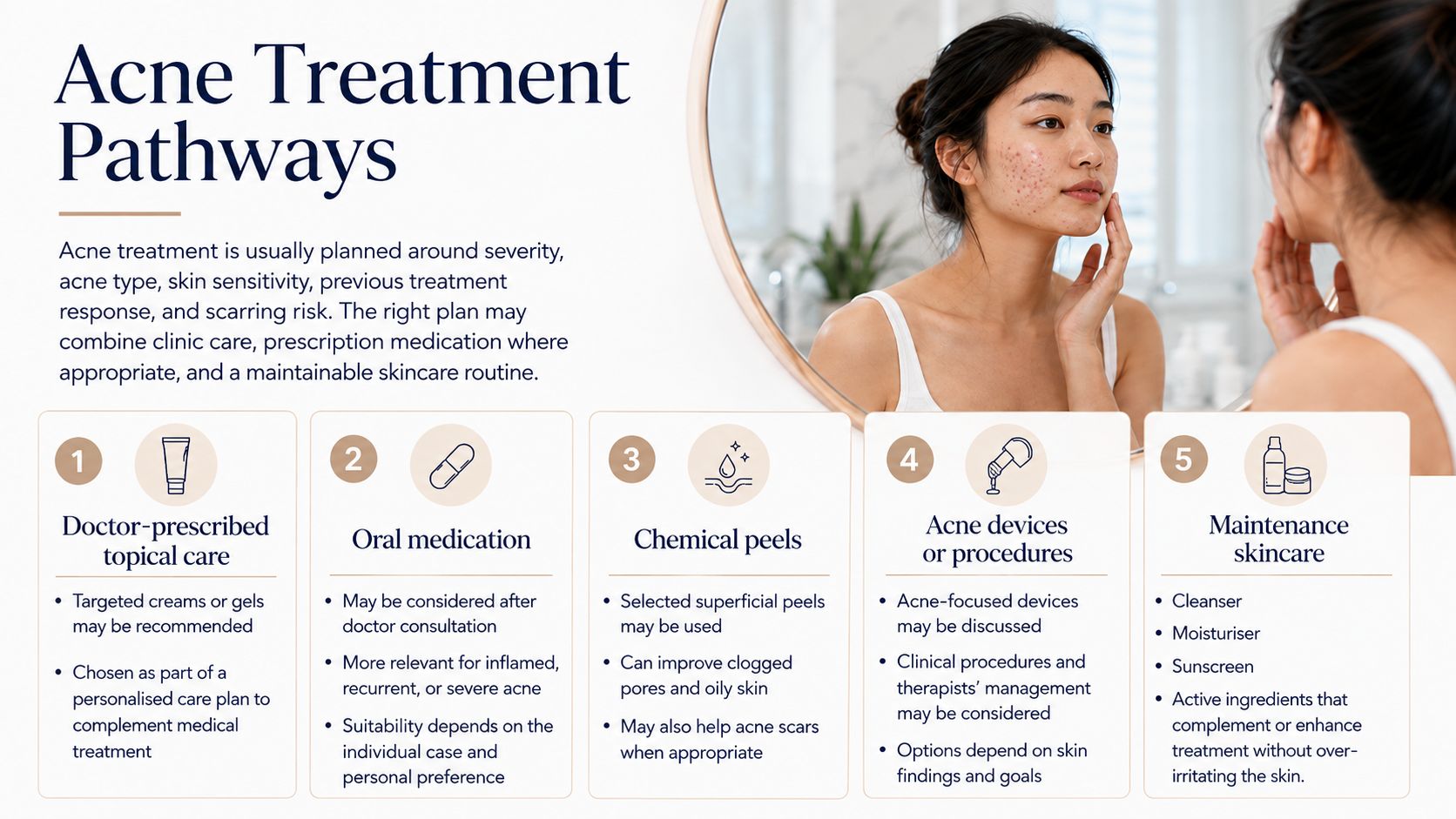
Acne treatment is usually planned around severity, acne type, skin sensitivity, previous treatment response, and scarring risk. The right plan may combine clinic care, prescription medication where appropriate, and a maintainable skincare routine.
- Doctor-prescribed topical care: targeted creams or gels may be recommended when suitable.
- Oral medication: sometimes considered for more inflamed, recurrent, or severe acne after medical review.
- Chemical peels: selected superficial peels may improve clogged pores, oily skin, and post-acne scars when appropriate.
- Acne devices or procedures: options such as acne-focused devices, extraction, or clinic procedures may be discussed based on clinical findings.
- Maintenance skincare: cleanser, moisturiser, sunscreen, and active ingredients should be chosen to support the treatment plan without over-irritating the skin.
Acne Marks And Acne Scars Are Not The Same
Many people use the word scar for any mark left after acne, but treatment choices depend on what is actually present.
- Red marks: post-inflammatory redness that can persist after inflamed acne.
- Brown marks: post-inflammatory pigmentation, especially in skin that tans or pigments easily.
- Pitted scars: true textural scars, including ice-pick, boxcar, and rolling scar patterns.
- Raised scars (hypertrophic or keloid scars): less common, but possible in some patients with a tendency to form thicker scars.
Active acne should usually be controlled first, because ongoing breakouts can create new marks or scars while older scars are being treated.
Acne Consultation Guidance
If your acne is painful, recurring, leaving marks, or starting to scar, message the clinic team for appointment guidance. We can help direct you to a suitable clinic consultation path.
Acne Scar Care
Acne scar treatment and care is usually staged. The doctor first assesses scar type, depth, skin tone, active acne, and downtime tolerance. Depending on suitability, options may include subcision, resurfacing lasers, collagen stimulating lasers, sebum reduction lasers, radiofrequency-based procedures, chemical peels, skin boosters, or combination treatment plans.
No single acne scar procedure is best for everyone. A careful assessment matters because pitted scars, pigmentation, redness, and active acne respond differently.
When To See A Doctor For Acne
Consider seeing a doctor if acne is painful, recurring, leaving marks, causing scars, or not improving despite consistent skincare. Early assessment is especially useful when acne is inflamed or when you notice pitting, repeated cysts, or dark marks that last for months.
- Acne is painful, deep, or cyst-like.
- Breakouts keep recurring in the same areas.
- There are early signs of scarring.
- Skin is sensitive, eczema-prone, or easily irritated by acne products.
- You have tried multiple over-the-counter products without improvement.
Your Acne Treatment Journey With Doctors
- Consultation: review acne history, current skincare, triggers, medications, and previous treatments.
- Skin assessment: identify acne type, inflammation, pigmentation, scarring, and sensitivity.
- Plan: match clinic treatments, prescriptions where appropriate, and homecare products to enhance results.
- Review: adjust the plan based on response and tolerance.
- Maintenance: reduce recurrence, improve acne marks and scars and protect skin barrier health.
Skincare Support For Acne-Prone Skin
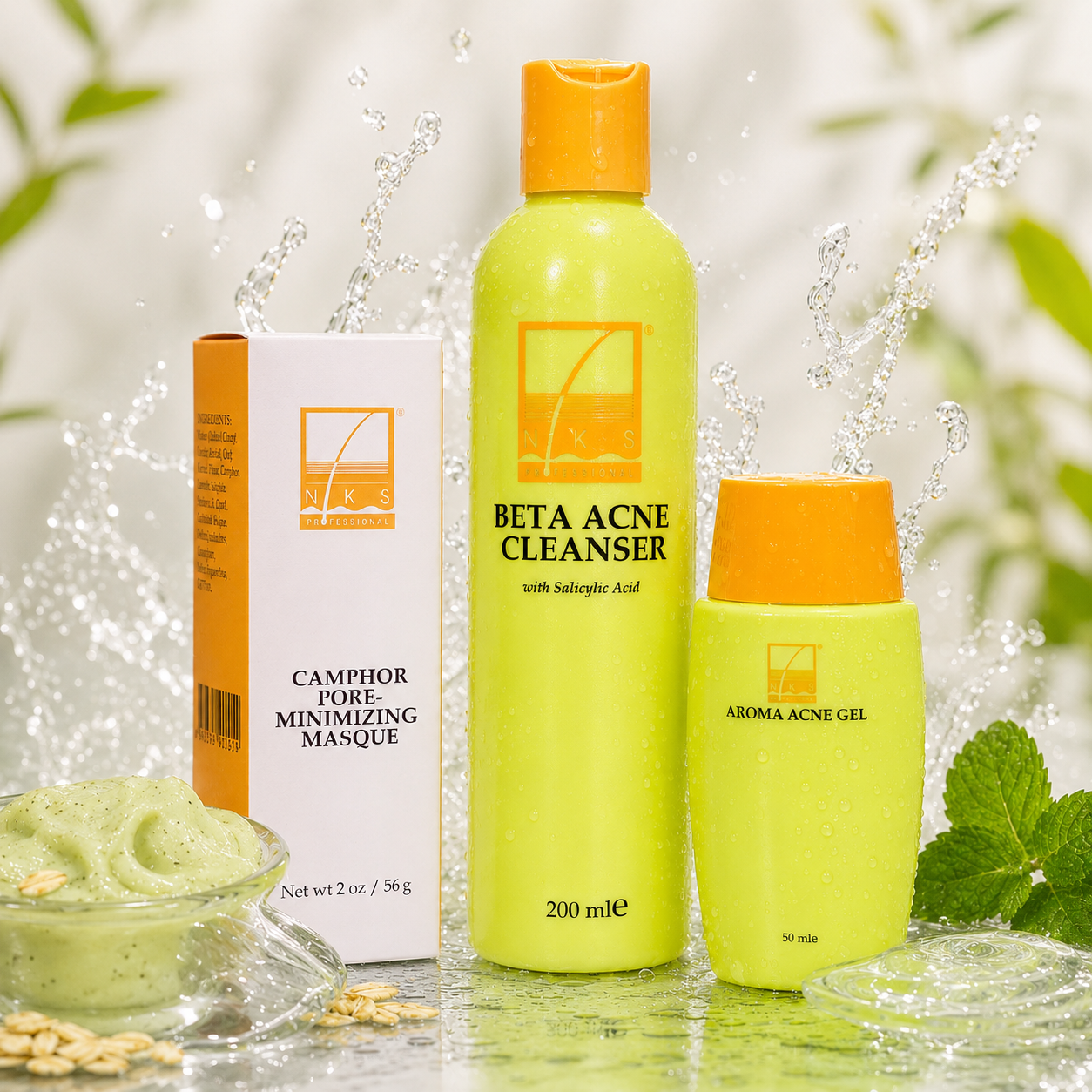
Skincare should support and enhance the treatment plan, not overload the skin. Many acne-prone patients need a practical routine built around gentle cleansing, non-comedogenic moisturising, sun protection, and selected active ingredients when appropriate.
Visit the our Niks E-Store for product browsing, or ask during consultation which products are suitable for your skin condition and treatment plan.
Acne FAQ
What is the difference between acne marks and acne scars?
Acne marks are usually colour changes such as redness or brown pigmentation. Acne scars are textural changes such as pits or depressions in the skin. They often need different treatment approaches.
Can acne be treated without oral medication?
Some acne can be managed with topical treatment, clinic procedures, and skincare changes. More severe, painful, recurrent, or scarring acne may need additional oral medication after medical assessment.
Are chemical peels suitable for acne?
Selected superficial chemical peels may be suitable for some acne-prone skin, especially clogged pores, oily skin, or scars, but suitability depends on skin sensitivity, active inflammation, and recent treatments.
How long does acne treatment take?
Many acne plans need several weeks to months depending on its severity. Review appointments help adjust treatment safely. Acne is a chronic skin condition, and frequently needs long term maintenance plans after satisfactory treatment results.
Can sensitive skin still receive acne treatment?
Yes, but treatment should be chosen carefully. Sensitive or eczema-prone skin may react badly to overly harsh routines, so medical guidance is necessary.
Acne Treatment Guidance
Acne-prone skin may need medical treatment, clinic procedures, skincare support, or a staged scar treatment plan. Chat with us before guessing between products, peels, lasers, or prescription care.

Dr. Ong Fung Chin
Dr Ong Fung Chin is the founder of Maple Clinic and a medical doctor with a special interest in dermatology and family practice dermatology. Since beginning her medical career in 1985, she has practised across public hospitals, private group practice, and later established Maple Clinic in Tampines in 1994. Dr Ong holds an MBBS from the National University of Singapore, a Postgraduate Diploma in Dermatology from King’s College London, and a Graduate Diploma in Mental Health from NUS. Over the years, she has played a key role in developing a comprehensive range of medical skincare products and introducing advanced dermatology and aesthetic technologies to improve patient care.

