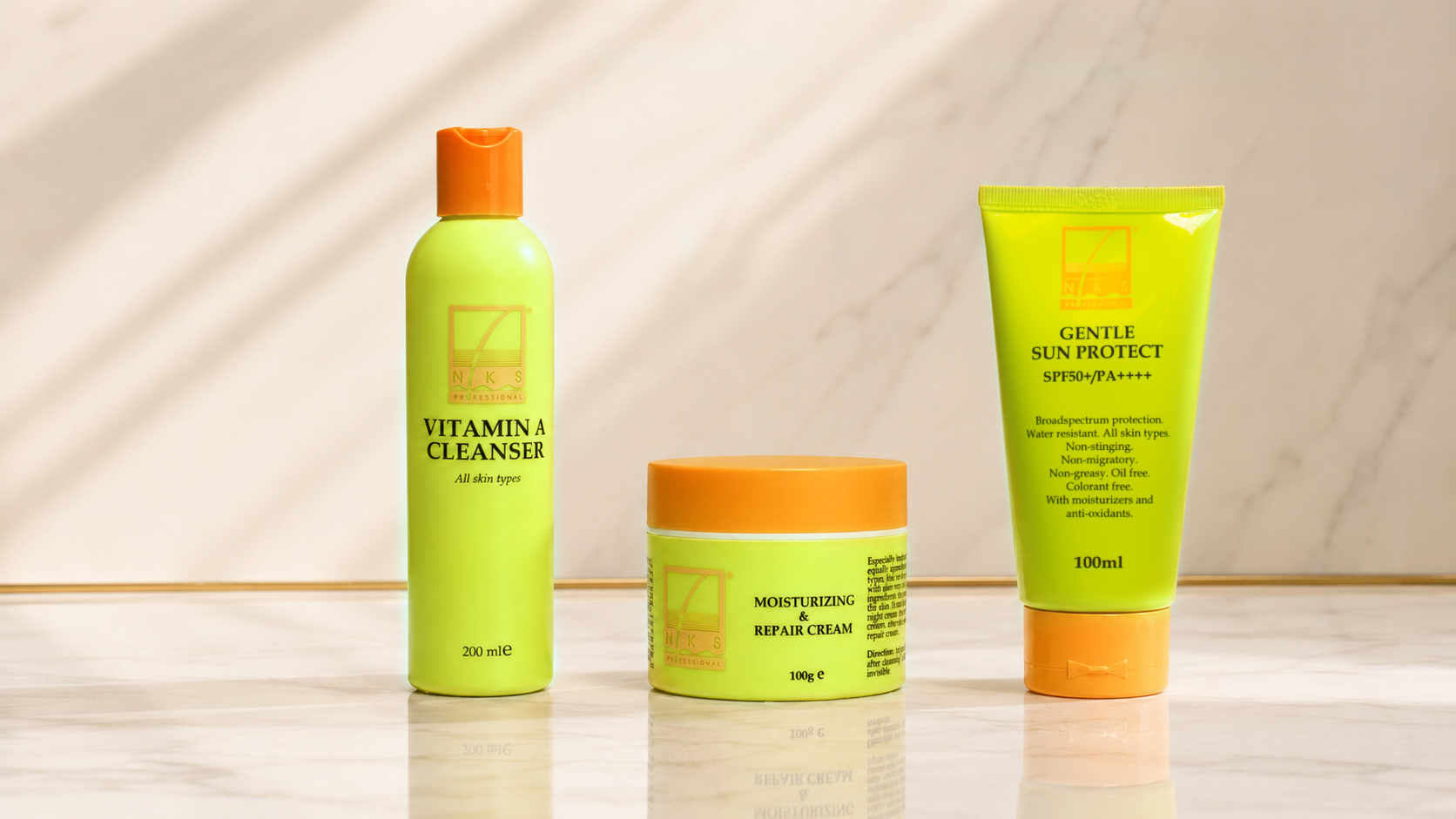
Superficial Chemical Peels: Glycolic or Salicylic?

Superficial chemical peels, despite its name, are one of the most effective and safest tools in cosmetic dermatology, clinically proven, versatile and effective for a wide range of skin concerns. But not all peels work the same way. The best superficial chemical peels deploy glycolic or salicylic acid. While both can transform your skin, they work through different mechanisms and are suited to different skin types and goals.

Quick Takeaways (TL;DR)

    • Salicylic Peels: Best for acne, oily skin, and clogged pores. Penetrates deep into the pore lining

    • Glycolic Peels: Best for scars, dullness, and anti-aging. Works on the skin’s surface

    • Downtime: Both are superficial-to-medium peels with minimal downtime (mild flaking for a few days)

What Is a Chemical Peel?

A chemical peel uses an acid solution applied to the skin to accelerate cell turnover. By breaking down the bonds that hold dead or damaged skin cells together, a peel reveals fresher, smoother skin underneath. Depending on the acid used, the acidity level, concentration and peel duration, peels can be superficial, medium or deep.

Glycolic and salicylic peels are typically superficial to medium treatments, making them suitable for in-clinic use with minimal downtime.

We believe that superficial peels offer the best cost, safety and effectiveness trade-off for the relevant skin concerns. Although medium and deep peels are effective when used appropriately, there are alternatives that offer better cost, safety and effectiveness trade-off for those skin concerns.
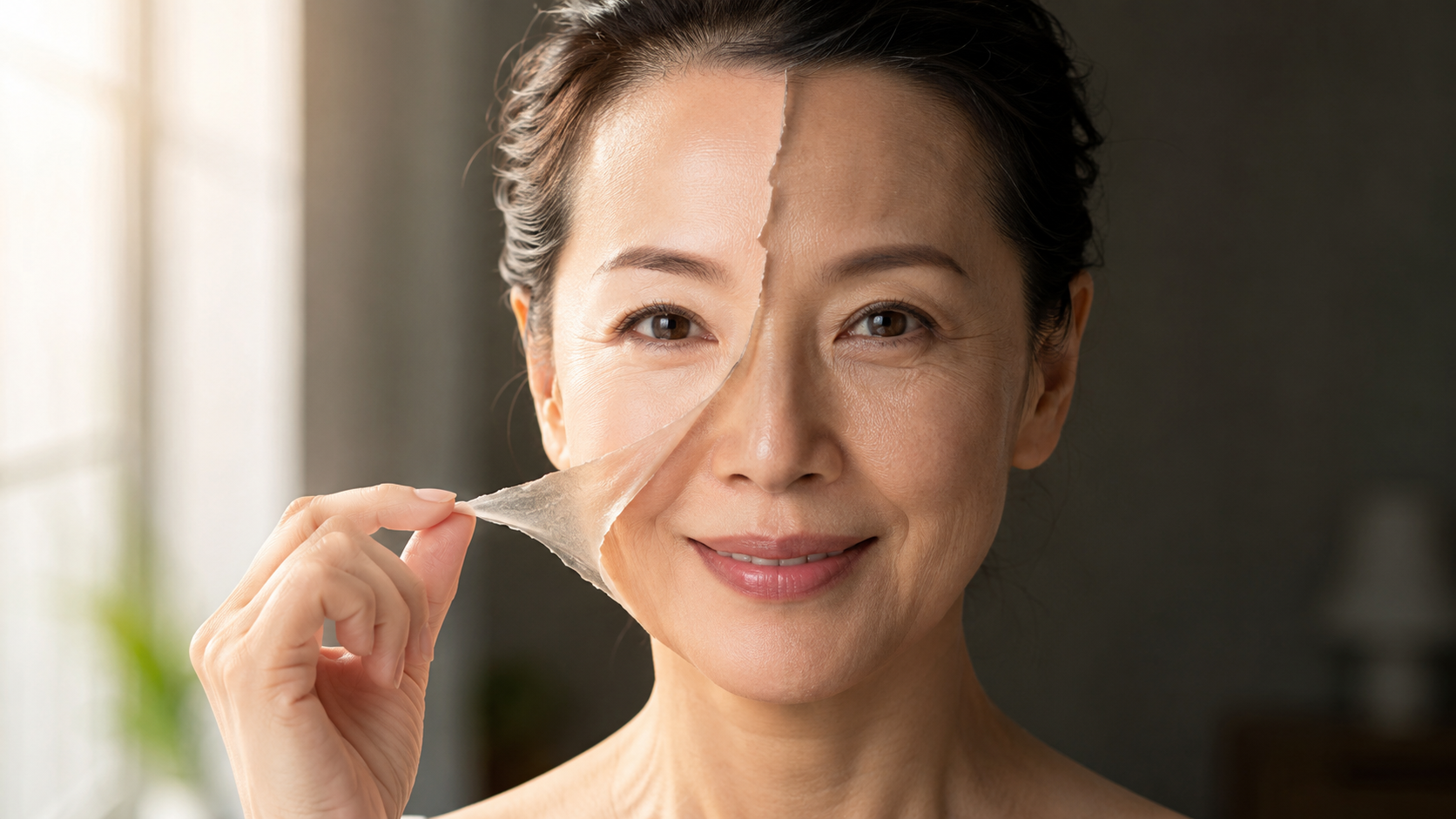
Glycolic Acid Peels: The Glow & Anti-Aging Booster

What It Is

Glycolic acid is an alpha-hydroxy acid (AHA) originally derived from sugar cane, now mostly chemically synthesised. It has the smallest molecular size of all the AHAs, which allows it to penetrate the skin deeply and efficiently.

How It Works

Glycolic acid works primarily on the epidermis. It dissolves the “glue” between dead skin cells to encourage rapid exfoliation and stimulate collagen production in the dermis over time.

Best For

    • Scar treatment

    • Uneven skin tone and dullness

    • Fine lines and early signs of aging

    • Sun damage and hyperpigmentation

    • Improving overall skin texture and radiance

What to Expect

After a glycolic peel, patients typically notice brighter, smoother skin within a few days. There may be mild redness or flaking for 3 – 5 days. A series of treatments (usually 4 – 6, spaced 2 – 4 weeks apart) yields the most significant results for concerns like pigmentation and fine lines.
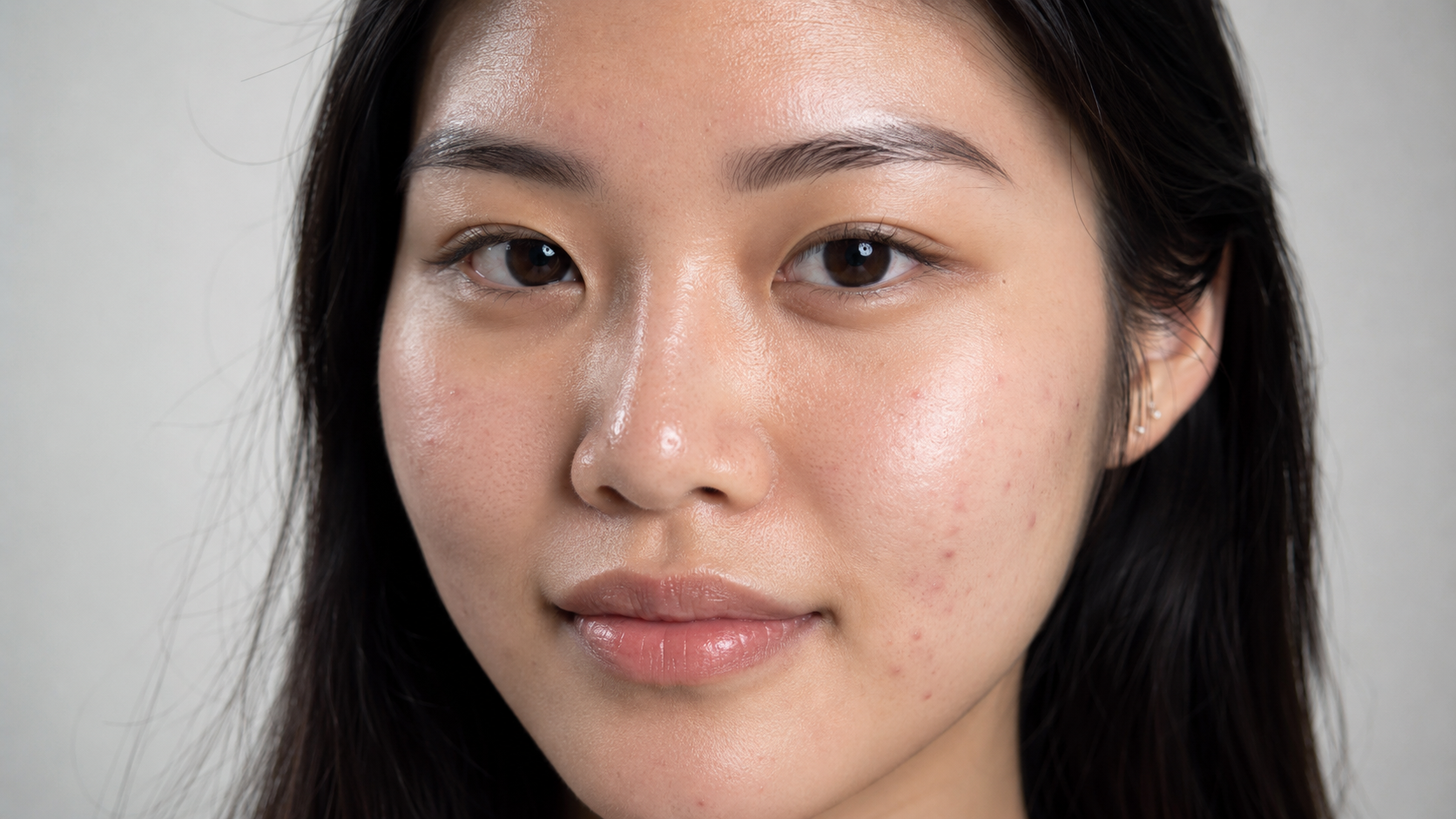
Salicylic Acid Peels: The Acne & Pore Clearing Solution

What It Is

Salicylic acid is a beta-hydroxy acid (BHA) originally derived from willow bark, now mostly chemically synthesised. Unlike glycolic acid, it is intrinsically oil-soluble, which gives it a unique ability to penetrate into the pores. Our Niks Salicylic Peel Solution 30% is, however, a rare encapsulated version, making it water-soluble, less irritating and long-releasing.

How It Works

Because salicylic acid can cut through sebum, it works inside the pore lining as well as on the skin’s surface. It also has natural anti-inflammatory and antibacterial properties, making it particularly effective at calming active acne breakouts while exfoliating.

Best For

    • Acne-prone and oily skin

    • Blackheads and clogged pores

    • Mild to moderate inflammatory acne

    • Enlarged pores

    • Oily or combination skin types

What to Expect

Salicylic peels often result in less visible peeling than glycolic peels, but patients may experience some dryness or mild flaking for a few days. Results for acne and congestion are often noticeable after the first treatment, with a recommended series of 4 – 6 sessions for sustained improvement.
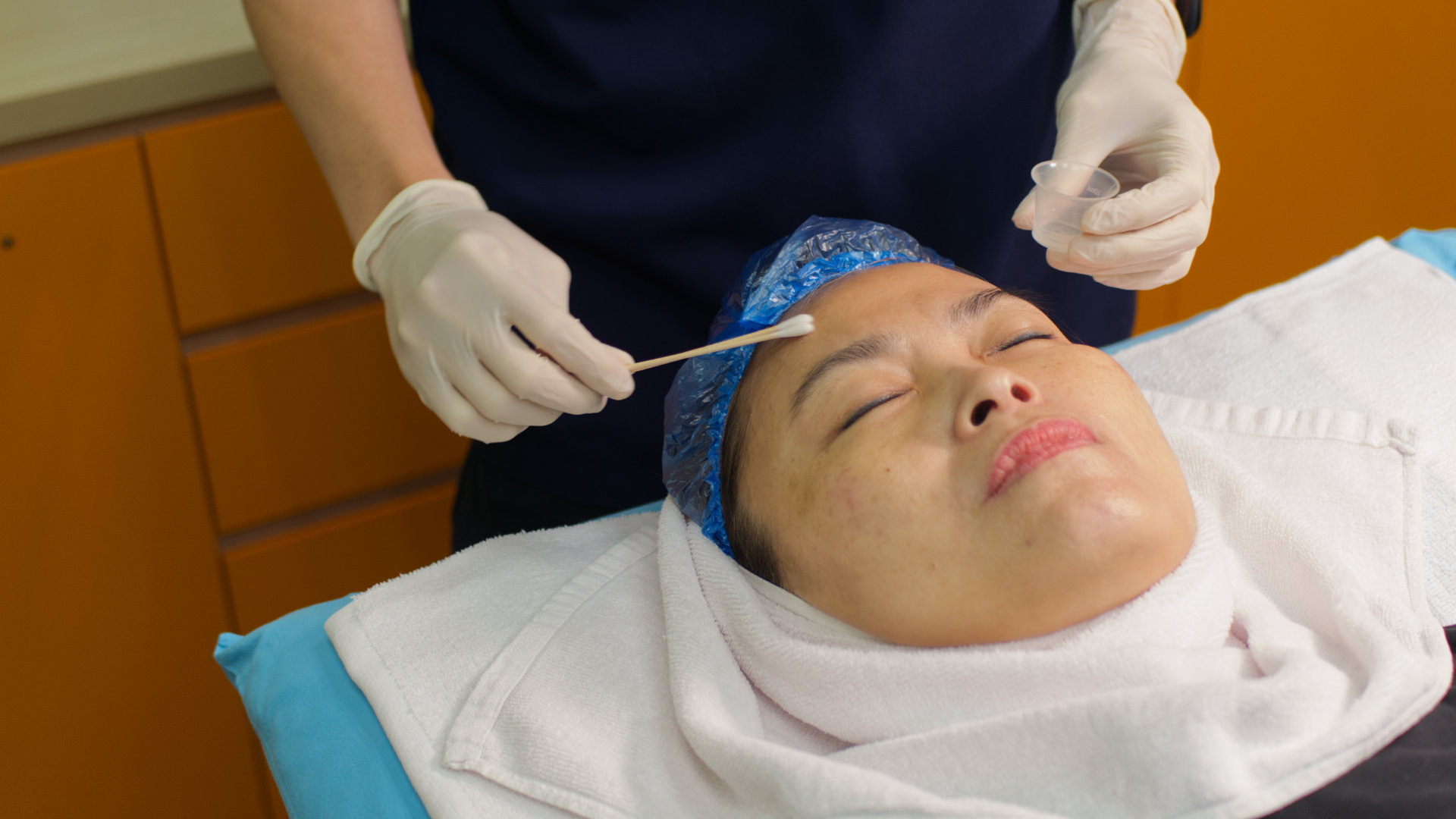

Ready to Find Your Peel?​

We are here to help you choose the right treatment and guide you through every step of the process. Book a consultation today to discuss your skin goals and learn which peel is best for you.

Can They Be Combined?

In some cases, yes. Combination peels that include both AHAs and BHAs can address multiple concerns simultaneously, for example, targeting both acne and post-inflammatory hyperpigmentation. However, combining acids increases the potential for skin sensitivity, so this approach should always be guided by a doctor.

Which Peel Is Right for You?

The right choice depends on your skin type, primary concerns and your skin’s overall condition. As a general guide:

    • If your main concerns are scars, aging, dullness or sun damage, glycolic peel is likely to be better.

    • If you struggle with acne, oily skin or clogged pores, a salicylic peel will typically deliver more targeted results.

    • If you have sensitive skin, salicylic acid’s anti-inflammatory properties may make it the more comfortable option — but always disclose your full skin history to your provider.

A Note on Safety

Chemical peels should always be performed by a doctor or, in the case of lower-concentration peels, a trained therapist. Improper use can lead to burns, scarring or post-inflammatory hyperpigmentation, particularly in darker skin tones, which require extra care in acid selection and concentration.

In our clinics, every peel begins with a thorough skin assessment to ensure that the treatment is appropriate for your individual skin type, tone and concerns.

Limited Time Offer!

To encourage more patients to try chemical peel, from 12 June to 11 July, we will offer chemical peels at our Yishun clinic at 50% discount from Tuesdays to Saturdays!

What is a chemical peel used for?
  • It corrects the dull, sallow look of the skin, improving clarity and brightness, which results in a more evenly toned complexion. Although no treatment can claim to truly shrink pores, this will unclog pores and make them appear smaller.
  • It rejuvenates skin by restoring texture and vitality to the skin surface.
  • It increases the water-trapping elements in the dermis of the skin. This replenishes the skin’s water content, increases skin hydration and smooths the appearance of fine lines and wrinkles.
  • It promotes acceleration of cell rejuvenation,brightens the complexion, aids anti-aging and lightens hyper-pigmentation. It also provides better penetration of the daily skin care products to achieve better results.
How is a chemical peel performed?

An evaluation is first conducted by the doctor to decide on the type of solution to be used. The skin is cleansed before the solution is applied to exfoliate the skin. You may feel a “tingling” sensation for the first few minutes. Chemical peels are recommended to be done in a series of sessions at an interval of about 2 to 4 weeks, depending on the patient’s condition. Patient may choose to continue maintenance treatment every 4 to 8 weeks for best results.

What can I expect after the treatment?

Within the next few days, the face may be red or feels dry. You may not see any obvious skin peeling. However, the skin will feel smoother by one week.

How should I take care of my skin after chemical peel?
  • The skin should be cleansed gently and appropriate treatment products should be used with Niks Ultrafine Soothing Cleanser
  • Do not scratch or try peeling off any skin flaks.
  • Use a sunblock and avoid the sun whenever possible.
What are the complications with a chemical peel?

We use glycolic and salicylic acids for our treatment, which are safe. There will hardly be any complication besides the occasional slight burnt on broken or dry skin which will recover in a week’s time.

What are the limitations of a chemical peel?

Chemical peels may not improve flushing of the skin, chronic old scars, deep wrinkles or sagging skin within a short period of time. Laser procedures of other forms of surgery may be needed for such conditions.

Ask AI about this article
Dr. Nathaniel Lum

B ENG (HONS) (NTU), MD (DUKE-NUS)

Dr Nathaniel Lum is a medical doctor with a focused interest in general practice dermatology and aesthetic treatments. He graduated with a Doctor of Medicine from Duke-NUS Medical School in 2020, after completing his Bachelor of Engineering with Honours at Nanyang Technological University. Dr Lum has clinical experience across various medical and surgical specialties within SingHealth institutions, including orthopaedic surgery, general medicine, general surgery, and post-acute care. He has also obtained multiple Certificates of Competence in aesthetic dermatology, including chemical peels, botulinum toxin, dermal fillers, pigment lasers, IPL, and laser resurfacing. Known for his warm and empathetic approach, Dr Lum emphasises patient education and personalised treatment plans, providing safe and evidence-based care for medical dermatology and aesthetic rejuvenation.

Chemical peels botulinum toxin dermal fillers pigment lasers IPL laser resurfacing
1 article(s) publishedchemical peels, botulinum toxin, dermal fillers, pigment lasers, IPL, and laser resurfacing
Scroll to Top